I did the math recently, mostly by accident, and realized I've been doing this for twenty-six years. Twenty-six years of weddings and conferences, food and interiors, deserts and empty rooms and people who swore they were unphotogenic and turned out to be nothing of the sort. Long enough that I sometimes catch myself expecting to feel like I've arrived somewhere. I haven't. If anything, the longer I do this, the more clearly I can see how much of it I still don't know.
That used to bother me. Now I think it's the whole point.
Where it started: a newsroom, not a studio
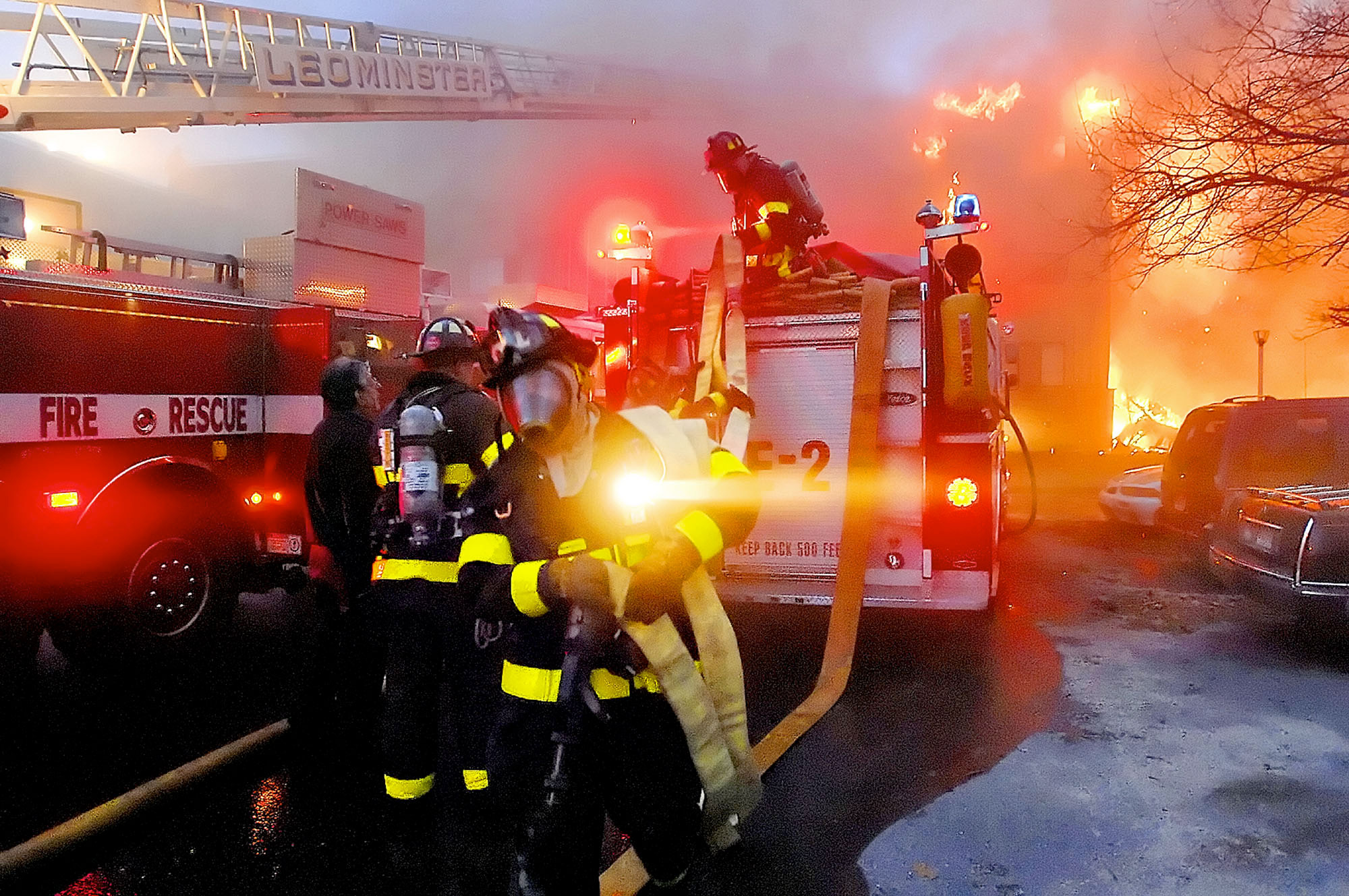
I didn't come up shooting weddings or portraits. I came up in a newsroom, cutting my teeth as a newspaper photographer, and I think that background still shapes almost everything I do, even decades removed from a daily deadline.
Newspaper work teaches you things no other path really does, mostly because it doesn't give you a choice. There's no reshoot when the story happened once and the paper goes to print tonight. You learn fast that a photograph either tells the story or it doesn't, and there's no styling, no elaborate setup, no second afternoon to try again if the light wasn't right the first time. You show up, you find the moment that actually explains what happened, and you file it. That's the whole job, stripped down to its essentials.
More than anything, it taught me that a photograph is supposed to say something. Not just look good — say something. A pretty frame with nothing underneath it was always the fastest way to get a photo spiked by an editor who'd seen a thousand pretty, empty frames before mine. What survived editing was the image that captured an actual truth about the moment: the exhaustion on someone's face, the tension in a room, the split second that told you everything about what had just happened without a single word of caption.
Storytelling didn't leave when the deadlines did
I don't shoot for newspapers anymore, but I never stopped shooting like someone who used to. Every gallery I deliver now — an event, a conference, a portrait session, hell, even a commercial shoot for a gigantic company — I still think of as a story that has to hold together, not a pile of technically competent images. What happened first? What was the turning point? What's the quiet detail that explains the day better than the obvious shot ever could?
That instinct is the through-line connecting almost everything else I've written about over the years. It's why I care so much about a gallery reading like one coherent set instead of a hundred disconnected frames. It's why I'd rather catch someone forgetting the camera exists than catch them posing for it. It's why the in-between moments — the half-turn, the unscripted laugh, the exchange nobody choreographed — matter more to me than the moments everyone expected. A newsroom is where I learned that the real photograph is almost never the one people think they're posing for. It's the one happening just to the side of it.
That's stayed with me longer than any camera I've owned.
The gear keeps changing, but that's the easy part
Cameras I learned on don't exist anymore, not really — not as anything you'd actually shoot with today. Sensors, software, entire workflows have been replaced two or three times over since I started. Keeping up with the tools is a constant, low hum of ongoing education, and I don't think that ever stops for anyone in this field.
But that's not the part that keeps me humble. Gear is just gear. You learn the new tool, it does roughly what the old tool did, only faster or cleaner or with fewer steps, and you move on. The real learning has never been about equipment. It's been about everything the equipment can't teach you.
The things that took decades, not days
What's actually changed over twenty-six years is subtler than any camera upgrade. It's how I read a room now compared to how I read one in my first few years, when I mistook activity for attentiveness and thought showing up early meant standing anywhere convenient rather than somewhere specific. It's knowing, almost without thinking about it, which twenty frames out of two thousand actually matter — a skill that no one can teach you quickly, because it's built entirely out of having been wrong enough times to finally notice the pattern.
It's understanding that a nervous subject isn't a problem to talk them out of, but information about where to start. It's learning to wait for light instead of fighting it, to trust a fast shoot over an overplanned one, to recognize that the best compliment isn't "these are beautiful," it's "I don't even remember you taking this." None of that showed up in a manual. It showed up slowly, shoot after shoot, mistake after mistake, client after client, until one day it had simply become how I worked without my noticing the exact moment it happened.
Why I hope this never stops
Every so often I'll be on a job and something completely unexpected will happen — a kind of light I haven't quite seen before, a subject who reacts to the camera in a way none of my usual instincts anticipate, a setting that breaks every one of my normal assumptions about where a good frame will come from. And instead of being annoyed by it, I find I'm genuinely glad. It means there's still more to learn, which means the work still has room to get better, which means twenty-six years in, I'm still not bored.
I used to think expertise meant arriving somewhere solid — a place where you finally know enough that surprises stop. I don't believe that anymore. I think expertise is just getting steadily better at noticing what you still don't know, and getting more comfortable staying curious about it instead of pretending otherwise.
So no, I haven't figured it all out. I hope I never fully do. Twenty-six years in, the moments that still teach me something new are usually the same moments that remind me why I started in the first place.
If there's a lesson in this for anyone earlier in their own path — in photography or anything else — it's this: the goal was never to stop learning. It's to stay curious enough, long enough, that learning becomes the whole point rather than a phase you eventually grow out of.