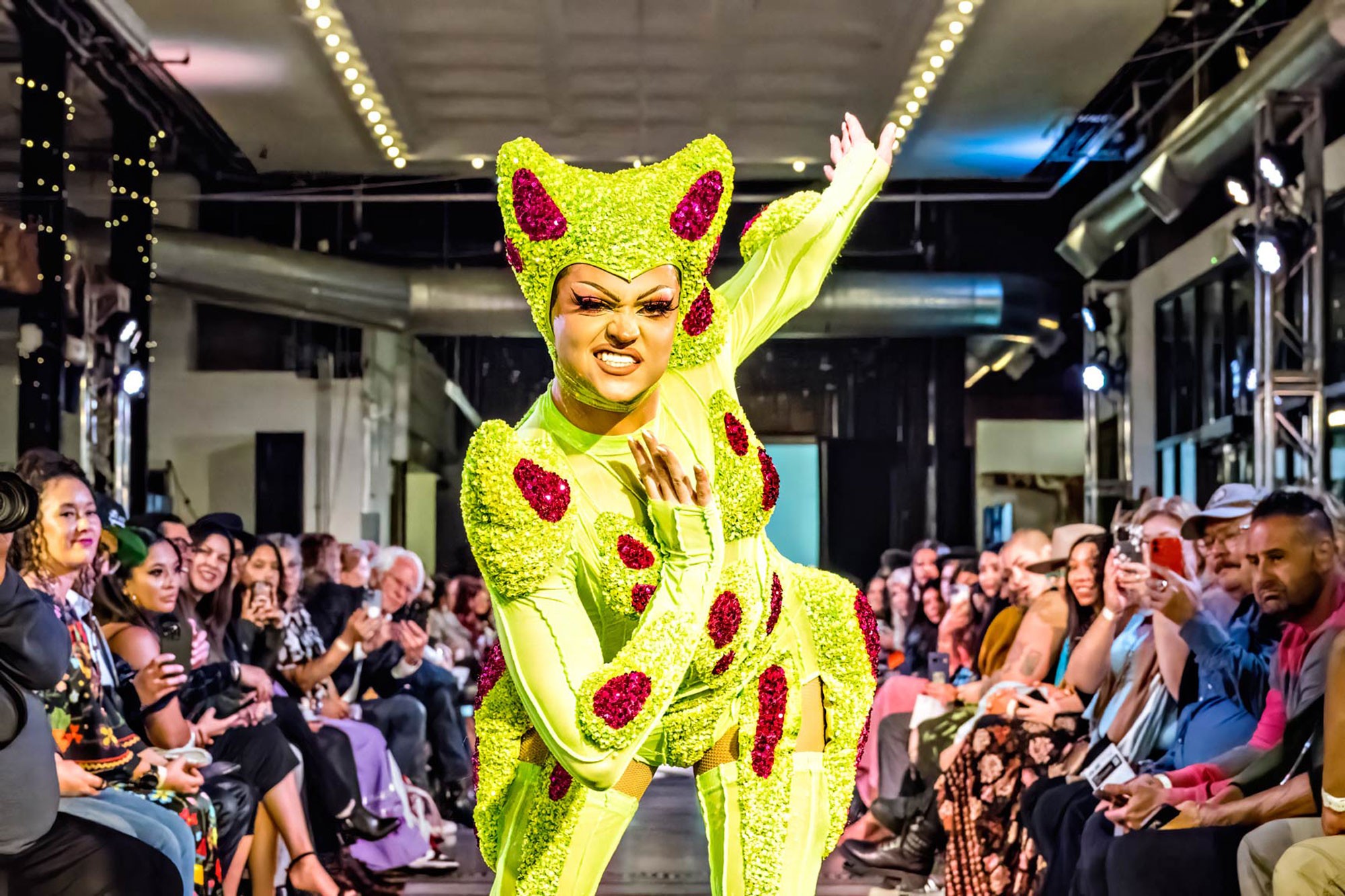
I get asked some version of this question after almost every event, gala, or corporate outing I shoot: "How do you do that? How do you always seem to be in the right place?"
People assume event photography is about fast reflexes. It is, a little. Nobody's shooting an event in slow motion. But over the years I've noticed that the photographers who consistently come back with the moment — the real, unrepeatable one — aren't the fastest shooters in the room. They're the earliest. By the time something happens, they're already standing exactly where it's about to unfold, camera up, breathing normal, waiting.
That's the whole secret, really. Not speed. Position. And position comes from something you do long before the first guest walks in.
Read the room before it happens
I always arrive early enough to walk the entire space before anyone else is there. Not to check angles for pretty photos — to build a mental map of the day. Where will the speaker enter? Where does the good light fall at 7pm versus 8pm? Where, geographically, is the handshake going to happen, the toast going to land, the surprise going to land?
I'm essentially forecasting the event before it happens. Half of good event coverage isn't reacting — it's anticipation. It's choosing to stand in a specific six inches of floor thirty seconds before the moment exists there, because you've already worked out that this is where it's going to happen. By the time it does, you're not scrambling to catch up. You're just... there. Waiting for it to arrive in your frame.
This is why I never treat the pre-event walkthrough as optional, even for events I've shot in the same venue a dozen times. Layouts shift. Light changes with the season. The people change every single time. So the map gets rebuilt, every time, before doors open.
The rest is staying invisible
Positioning gets you close. Invisibility is what lets you stay there without changing what you're photographing.
I shoot quietly. I avoid interrupting. I try to let the day move exactly as it would if I weren't in the room at all — no hovering, no directing, no breaking the moment to "get a better angle." People behave differently the instant they notice a camera pointed at them, so the goal is to never let that instant arrive. You become part of the furniture. A quiet presence people stop clocking after the first twenty minutes.
Honestly, the best compliment I get isn't "great photos." It's a client flipping through the gallery afterward, stopping on some unscripted, completely real image, and asking, "Wait — when did you even take this?"
That question means it worked. It means I was early enough, and quiet enough, that the moment got to be entirely itself.
So if you're hiring — or becoming — an event photographer, don't ask about reflexes. Ask about instinct, preparation, and the willingness to disappear into a room. That's where the real moments live.