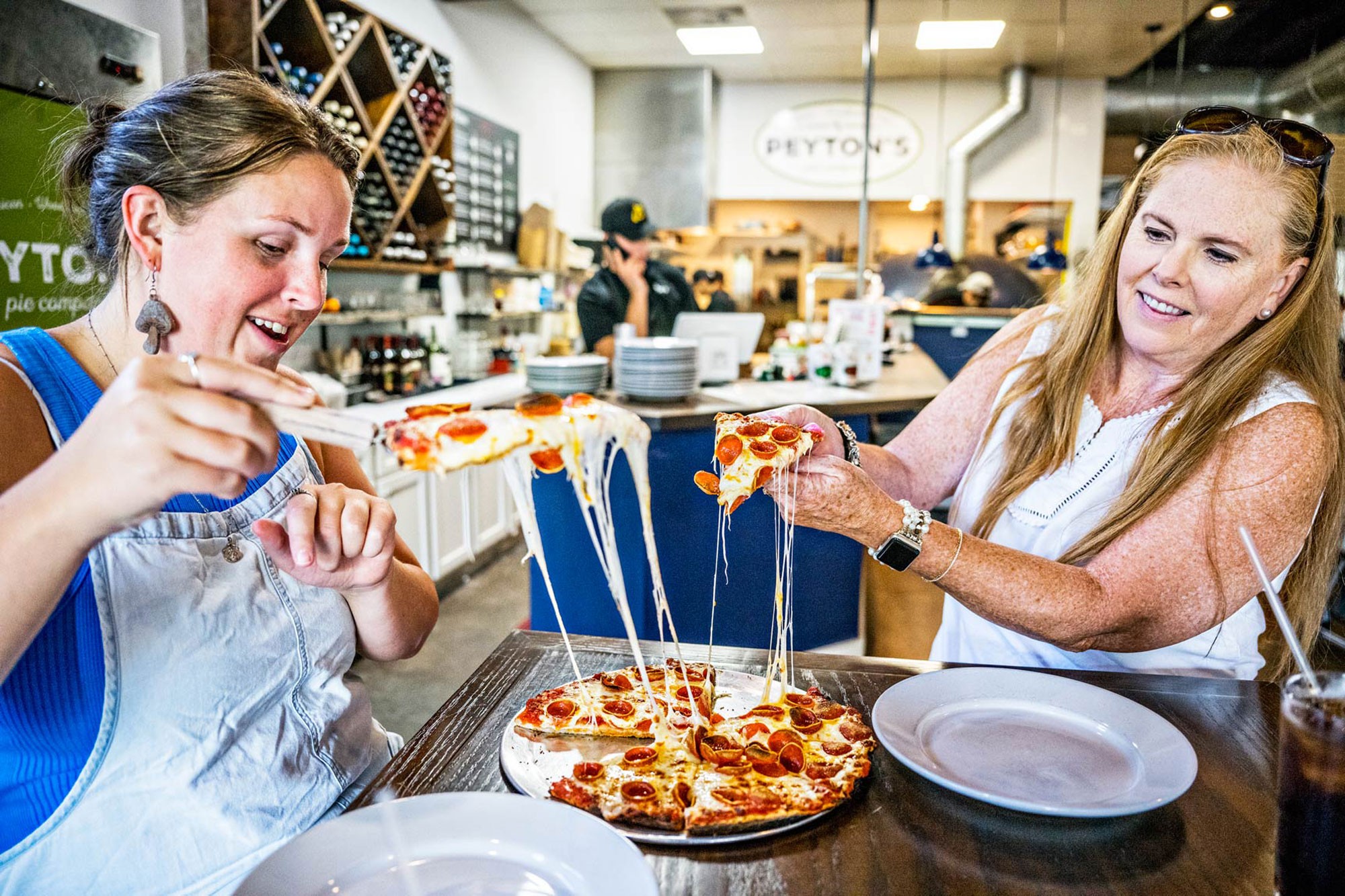
Food photography lives and dies on light. Get it right and a plate looks like something you'd cross a room for — the kind of photo that makes people hungry just scrolling past it. Get it wrong, and even a genuinely beautiful dish reads as plastic, flat, and lifeless on the plate. Same food, same styling, same plate. The only difference is where the light is coming from.
People assume good food photography is about the camera, or the lens, or some elaborate studio setup. It's really about light, almost exclusively. Once you understand that, everything else gets easier.
One window, one reflector
My go-to setup is almost embarrassingly simple: soft directional light from a single window, usually positioned from the side or slightly behind the plate. That angle does something frontal light just can't — it brings out texture, catches steam rising off a hot dish, and gives every surface a sense of dimension instead of flattening it into a single, even wash of light.
On the opposite side, I add a white reflector — sometimes a proper photography reflector, sometimes just a piece of foam board or even a sheet of white paper and even a white napkin on occasion, propped against something. Its job is simple: bounce a little light back into the shadows so they don't go harsh and black. Just enough fill to keep detail in the dark side of the plate, without erasing the shadows entirely. Shadows are part of what makes food look real. You just don't want them fighting you.
That's genuinely it. No strobes, no softboxes, no elaborate lighting rig taking over the kitchen table. A window and a reflector will get you further than most people expect, and it's exactly why I keep coming back to it, shoot after shoot.
Backlight is the secret ingredient
If there's one adjustment that changes everything, it's shooting with the light coming from behind the subject rather than in front of it.
Backlight defines edges. It's what separates a plate from its background instead of letting everything blend into one flat mass. It's what makes a sauce glisten instead of just sitting there matte and dull. It's what gives steam its glow, gives a glass of wine its color, gives a dusting of flour or sugar its sparkle. Front light flattens all of that. Backlight brings it back to life.
Once you learn to actually see backlight — really notice it, rather than just absorb it unconsciously — you'll start spotting good food light everywhere. In restaurants, in other people's photos, in your own kitchen at 6pm when the evening sun comes in low and golden through the window. That's the moment worth chasing. Not a fancier camera. Just better light, aimed in the right direction.
So next time you're setting up a food shot, skip the gear upgrade and find a window instead. Turn your plate until the light comes from behind it, add something white on the other side to soften the shadows, and watch how much better dinner suddenly looks.