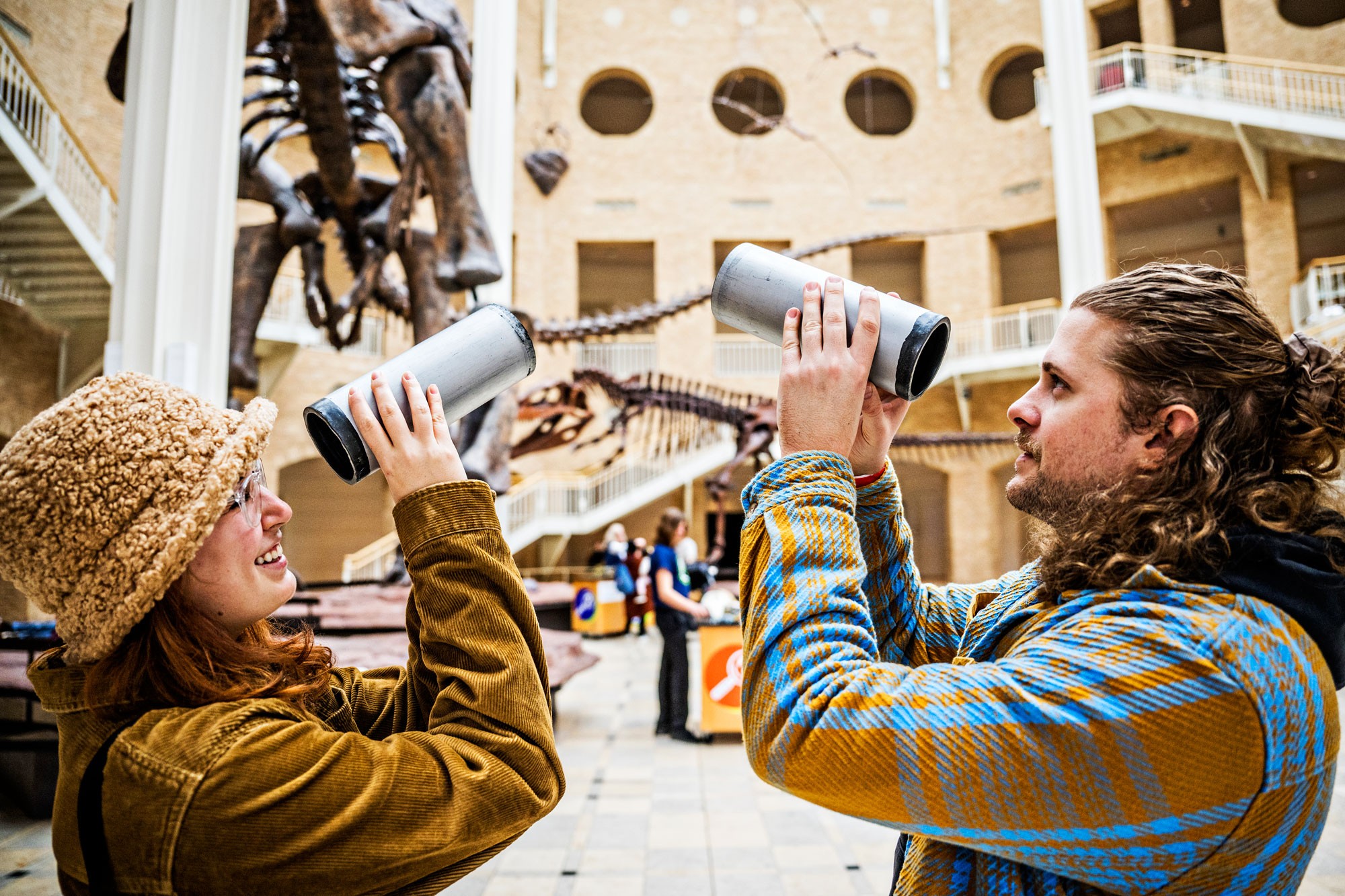
In the original post, this idea got a single short paragraph: instead of trying to photograph everything, get curious about one narrow thing for a while. Doorways in your neighborhood. Your kid’s hands. Shadows at 4pm. Strangers’ shoes. It’s a small idea with an outsized effect on how your photography actually feels, so it’s worth unpacking properly.
The Problem With Photographing Everything
When you go out with a vague goal of “take some good photos,” you’re handing yourself an impossible brief. Everything is a potential subject, which in practice means nothing gets your full attention. You end up scanning a scene the way you’d scan a crowded room for a friend — quickly, restlessly, never quite settling — and grabbing photos of whatever seems mildly promising as you go.
Photos taken this way often feel exactly like that scanning process looks: competent but scattered, technically fine but forgettable. Not because you lack skill, but because you never actually stopped.
Constraint Is Not a Limitation, It’s a Focusing Tool
This is the counterintuitive part: narrowing what you’re allowed to photograph tends to produce more interesting results than giving yourself total freedom, not fewer. When you decide, even arbitrarily, that you’re only photographing doorways this month, something shifts. You stop scanning and start looking. You notice the six different doorways on your own street you’d walked past a hundred times without seeing. You start noticing patterns — which doorways get afternoon light, which ones have been painted over so many times the color is unreadable, which one has a doormat that’s clearly older than the house.
None of that noticing happens with an unlimited brief. It only shows up once you’ve narrowed the target enough that your brain stops trying to evaluate everything and starts really looking at one thing.
It Doesn’t Matter What You Pick
The subject itself is almost beside the point. Shadows at 4pm, your kid’s hands, strangers’ shoes, chairs left out on porches, the way steam rises off coffee cups, reflections in car windows — the specific choice matters far less than the act of choosing something and sticking with it for a while. A narrow, oddly specific subject often works better than a broad one, precisely because broad subjects (“nature,” “people,” “the city”) don’t actually narrow your attention at all. “Shadows at 4pm” does real work. “Interesting light” doesn’t.
A good test: if you can imagine still finding new material in the subject after twenty photos, it’s probably specific enough. If you’d run out of ideas in twenty minutes, it’s still too broad.
What This Actually Teaches You
Sticking with one narrow subject for a stretch of time does something that shooting broadly rarely does: it forces you to solve the same basic problem — how do you make this thing interesting? — over and over, from different angles, in different light, at different times. That repetition, aimed at one target, builds skill faster than the same number of photos spread across fifty different subjects.
You’ll start noticing:
• Which times of day suit your subject and which don’t
• How the same subject looks completely different from a few different distances or angles
• Which of your own compositional habits you default to, and where they’re not serving the subject
• The moment when a subject that felt exhausted after ten photos suddenly reveals something new on the eleventh
This is the same mechanism behind a lot of serious long-term photography projects — a photographer spending a decade returning to the same subway platform, the same coastline, the same family. The constraint isn’t a limitation on creativity. It’s what creativity often needs in order to go somewhere specific instead of everywhere at once.
How to Actually Try This
Pick something small and specific, ideally something you already walk past regularly, so the barrier to shooting it is close to zero. Give yourself a loose timeframe — a week, a month, however long feels sustainable — and permission to shoot the same basic subject as many times as you want during that window. Don’t worry about running out of ideas early; the boredom you might hit around photo ten or fifteen is usually right before the interesting part starts.
At the end, go back through everything you shot. You’ll likely notice your own photos getting more confident, more varied, and more specific as the set goes on — not because the subject changed, but because you did.
The world doesn’t need you to photograph everything. Pick one small thing and actually look at it.